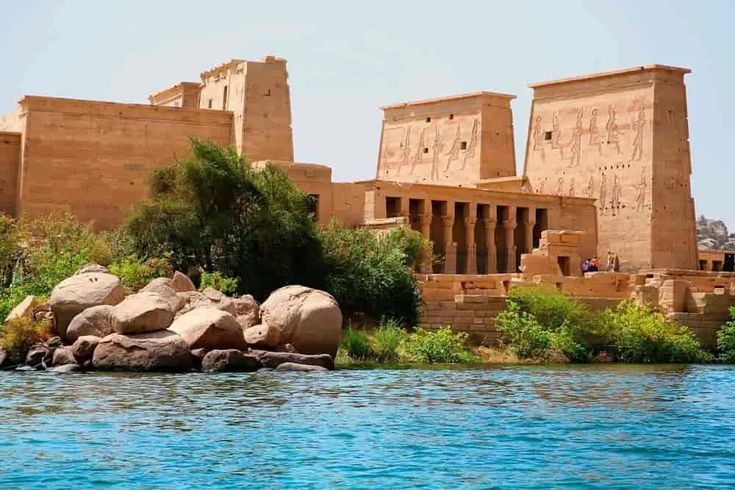
Quick Answer Philae Temple in Aswan is a temple complex dedicated to the goddess Isis, built mainly during the Ptolemaic and Roman periods. Threatened by rising waters after the Aswan dams were built, it was dismantled and moved stone by stone to nearby Agilkia Island between 1972 and 1980. Visitors reach it by a short motorboat ride, and an evening sound and light show is held on the island. |
Arriving at Philae by boat, with the temple rising from the water between granite rocks, is one of the most romantic moments of any Egypt trip. Philae was the last great temple of the ancient Egyptian religion and is the center of a remarkable rescue story. This guide explains the myth, the history and the highlights of the temple of Isis Aswan is famous for.
Last updated: October 2026
Key Takeaways
- Philae was dedicated mainly to Isis, the great mother goddess of Egypt.
- Most surviving buildings date from about the 3rd century BC to the 3rd century AD.
- The last known hieroglyphic inscription, dated 394 AD, was carved at Philae.
- The temple was relocated to Agilkia Island in a UNESCO-supported rescue project.
- Philae is part of the UNESCO World Heritage Site "Nubian Monuments from Abu Simbel to Philae".
The Myth of Isis and Osiris
To understand Philae, start with its goddess. In Egyptian mythology, the god Osiris was murdered by his jealous brother Seth, who scattered his body across Egypt. His devoted wife Isis searched for the pieces, reassembled him and, with her magic, conceived their son Horus. Horus later avenged his father and became the rightful king, while Osiris ruled the underworld.
Ancient Egyptians believed that nearby Biga Island was one of the burial places of Osiris. Philae, facing it, became the sacred home of Isis. Her cult was so popular that pilgrims came from across the Mediterranean, and worship continued here long after other temples had closed. The temple was finally closed in the 6th century AD, under the Byzantine emperor Justinian.
The Philae Temple Relocation
Philae's original island lay just downstream of the first Aswan Dam, completed in 1902. For most of the year after that, the temple was partly flooded, and visitors toured it by rowing boat among submerged columns.
When the Aswan High Dam was built in the 1960s, the situation became critical: the temple would sit permanently in fluctuating water and slowly be destroyed. As part of UNESCO's international campaign to save the monuments of Nubia, engineers built a cofferdam around the island, pumped out the water, cut the temple into roughly 40,000 blocks and rebuilt it on higher Agilkia Island, landscaped to resemble the original. The work was completed in 1980.
| Fact | Detail |
|---|---|
| Main deity | Isis |
| Main building period | Ptolemaic and Roman eras |
| Original location | Philae Island, now submerged |
| New location | Agilkia Island, near Aswan |
| Relocation years | 1972–1980 |
| UNESCO status | World Heritage Site since 1979 |
Highlights of Philae Temple
The First Pylon
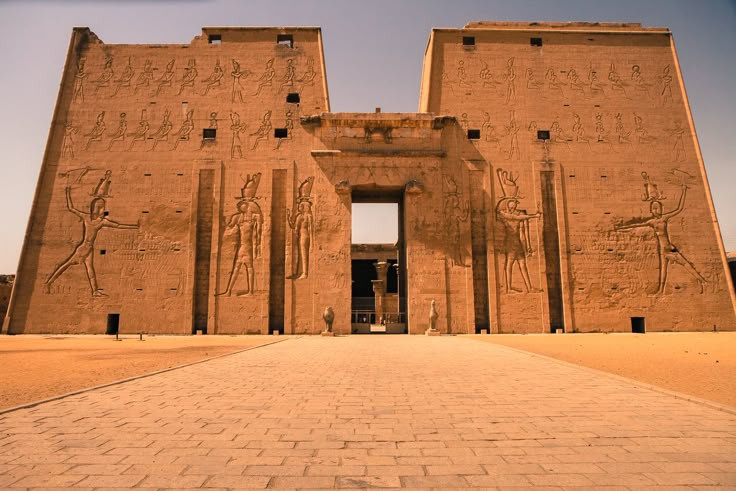
The great entrance gateway shows Ptolemy XII smiting enemies before Isis, Horus and Hathor. Look for later Christian crosses carved into the stone, evidence of the temple's later use as a church.
The Mammisi (Birth House)
This building celebrated the birth of Horus. Its columns are topped with images of Hathor, and reliefs show Isis nursing her son.
The Inner Sanctuary
Deep inside the temple, the dim sanctuary once housed the sacred boat and statue of Isis.
Hadrian's Gateway
Here you will find a famous relief showing the source of the Nile as a god hidden in a cave beneath rocks, pouring out water.
Trajan's Kiosk
This elegant, open pavilion on the water's edge is the most photographed structure at Philae. It may have served as a landing stage for the sacred boat of Isis.
How to Visit Philae Temple
Motorboats leave from the Marina Philae landing near the old Aswan Dam. The ride takes about 10 minutes; boat fees are paid separately from the entrance ticket unless included in your tour. Allow about 1.5 to 2 hours in total. Philae is included in almost every Aswan day and Nile cruise itinerary, usually combined with the Aswan High Dam and the Unfinished Obelisk.
Philae Sound and Light Show
The Philae sound and light show takes place in the evening. Visitors are taken by boat to the island and walk through the illuminated courts before watching a narrated show about Isis and the temple's history. Shows run in several languages on different nights, so check the schedule before booking. It is a popular optional excursion for cruise guests staying overnight in Aswan.
Tips for Your Visit
- Visit early in the morning or late afternoon for cooler weather and softer light.
- Sit on the side of the boat facing the island for the best arrival view.
- Bring sunscreen and water; parts of the site are exposed.
- Ask your guide to point out Greek, Coptic and demotic inscriptions.
Discover Philae on Your Nile Cruise
Philae is a highlight of every Aswan visit on our cruises. Learn more about the Aswan High Dam, explore Aswan city, or contact us to book your trip.