Quick Answer Karnak Temple in Luxor is the largest ancient religious complex ever built, developed over about 2,000 years and dedicated mainly to the god Amun-Ra. Its highlights are the Great Hypostyle Hall with 134 giant columns, the obelisk of Hatshepsut, the Sacred Lake and the Avenue of Sphinxes. Plan two to three hours and visit early morning or late afternoon. |
No visit to Luxor is complete without Karnak. Walking between its columns, you feel how small a human being is next to the ambitions of the pharaohs. This Karnak temple guide explains the site's history, its layout, the highlights you should not miss and practical tips to make the most of your visit, whether you come independently or on a Nile cruise.
Last updated: October 2026
Key Takeaways
- Karnak Temple Luxor sits on the East Bank, about 3 km north of Luxor Temple.
- Construction spanned roughly 2,000 years, from the Middle Kingdom to the Ptolemaic and Roman periods.
- The Great Hypostyle Hall covers around 5,000 square meters and holds 134 columns.
- The Precinct of Amun-Ra is the main area open to visitors.
- Karnak is part of the UNESCO World Heritage Site of Ancient Thebes with its Necropolis.
Karnak Temple History
In ancient times Karnak was known as Ipet-Isut, "the most select of places". It was the main religious center of Thebes, the capital of Egypt during much of the New Kingdom. The earliest surviving structures date to the Middle Kingdom, around 2000 BC, and building continued into the Ptolemaic era.
Almost every major pharaoh wanted to leave a mark here. Senusret I, Thutmose I, Hatshepsut, Thutmose III, Amenhotep III, Seti I, Ramses II and later rulers added pylons, halls, obelisks and chapels. The result is not a single temple but a vast city of sanctuaries, built and rebuilt by around thirty pharaohs.
Karnak was dedicated to the Theban Triad: Amun-Ra, king of the gods, his wife Mut and their son Khonsu, the moon god. Each year, during the Opet Festival, the statues of the triad traveled in sacred boats from Karnak to Luxor Temple along the Avenue of Sphinxes.
Karnak Temple Layout
The complex is divided into several precincts:
| Area | Dedicated To | Open to Visitors |
|---|---|---|
| Precinct of Amun-Ra | Amun-Ra | Yes, main visit |
| Precinct of Mut | Goddess Mut | Partly, separate area |
| Precinct of Montu | War god Montu | Generally closed |
| Temple of Khonsu | Moon god Khonsu | Yes, inside Amun precinct |
| Open-Air Museum | Reconstructed chapels | Yes, separate ticket area |
Highlights of Karnak Temple
Avenue of ram-headed sphinxes
The visit begins with a row of ram-headed sphinxes, the ram being a sacred symbol of Amun. Small statues of the pharaoh shelter between their paws.
The First Pylon
This massive gateway, around 113 meters wide, was never completed. You can still see remains of the mud-brick ramp used to build it, a rare clue to ancient construction methods.
Great Hypostyle Hall
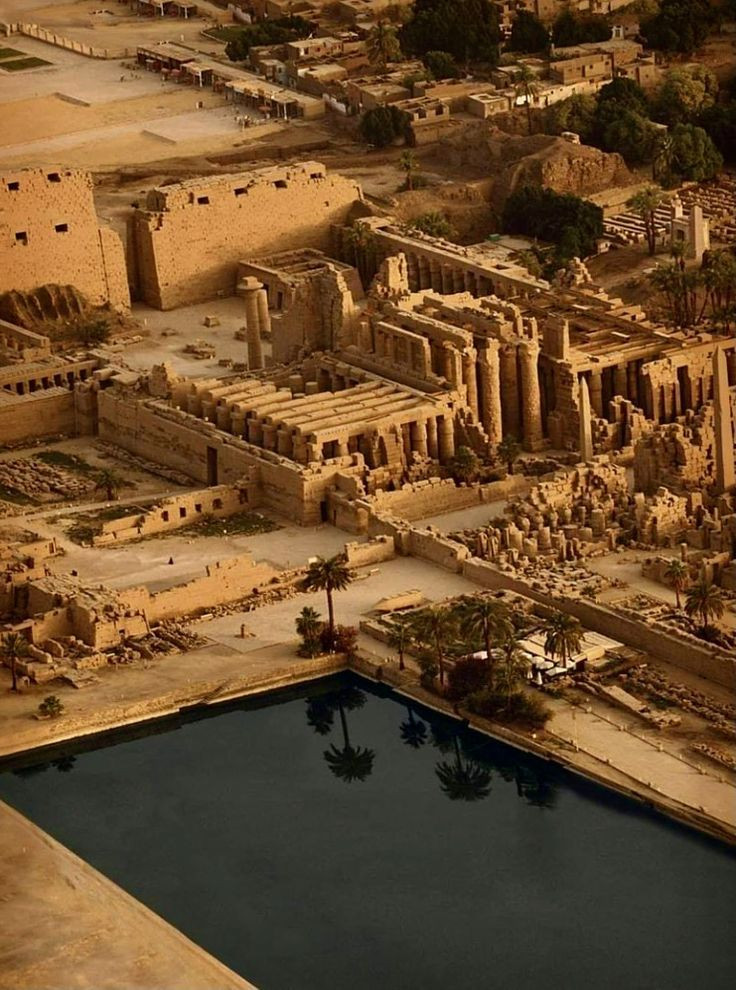
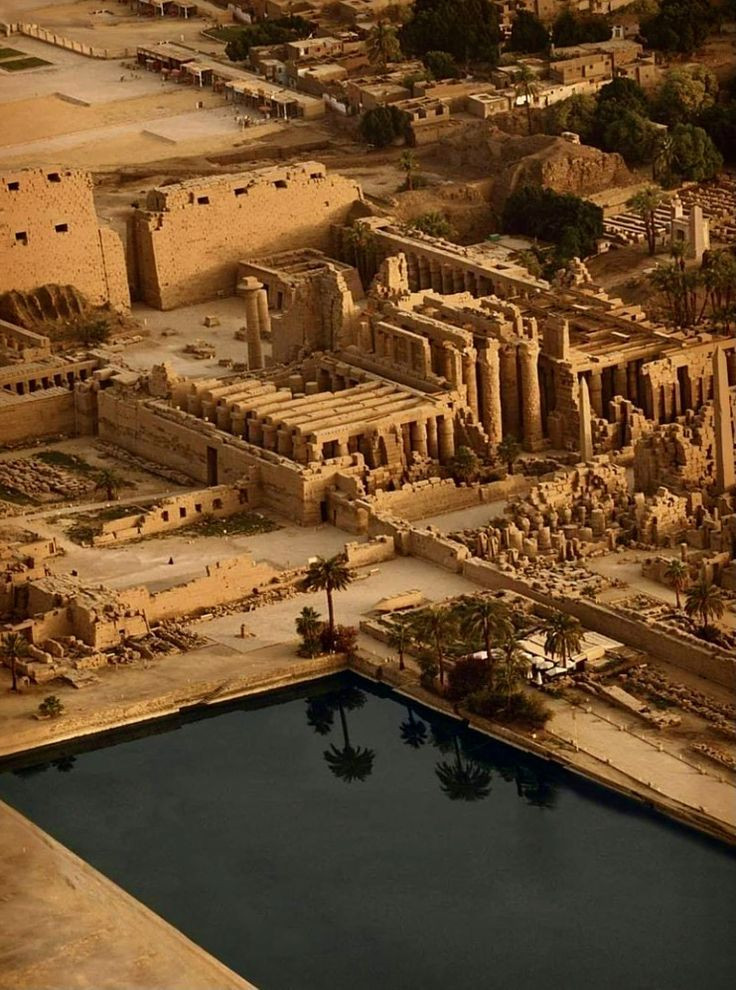
The hypostyle hall Karnak is famous for is the highlight of the site. Built mainly by Seti I and Ramses II, it contains 134 sandstone columns arranged in 16 rows. The twelve central columns rise about 21 meters and have open papyrus capitals large enough to hold dozens of people. Look up to see traces of original paint on the columns and ceilings.
Obelisks of Thutmose I and Hatshepsut
Hatshepsut's standing obelisk, close to 30 meters tall and carved from a single block of Aswan granite, is one of the tallest ancient obelisks still standing in Egypt. A fallen fragment of its twin lies near the Sacred Lake.
Festival Hall of Thutmose III
The Akh-Menu was built by Thutmose III. Its so-called Botanical Garden room shows carvings of exotic plants and animals brought back from his campaigns in Syria.
Sacred Lake and the Giant Scarab
The rectangular Sacred Lake was used by priests for purification rituals. Nearby stands a large granite scarab dedicated by Amenhotep III. Local tradition says walking around it several times brings good luck.
Best Time to Visit Karnak Temple
Karnak opens early in the morning, typically around 6 am, and closes in the late afternoon; hours may vary by season. Arrive at opening time to enjoy cooler temperatures and the soft light in the Hypostyle Hall. Late afternoon is another good choice. Midday brings the heat and most tour groups.
In the evening, the Karnak Sound and Light Show tells the story of Thebes as you walk through the illuminated temple.
Practical Tips for Visiting Karnak
- Allow at least two to three hours for the main precinct.
- Hire a licensed Egyptologist to understand the reliefs and history.
- Wear comfortable shoes, a hat and sunscreen; shade is limited.
- Carry water and some small notes for tips and toilets.
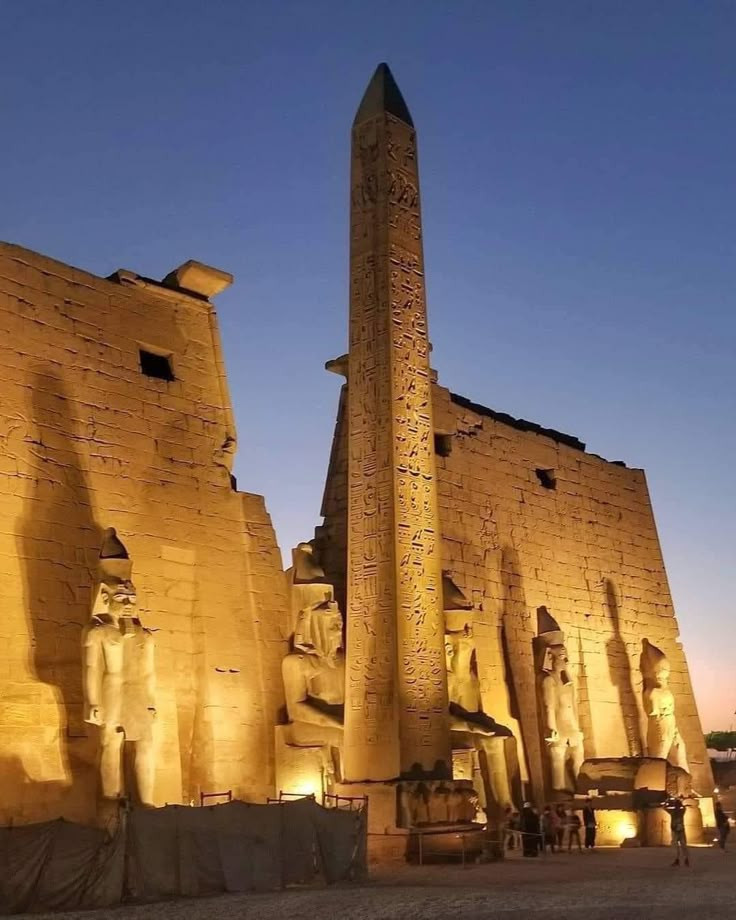
- Combine Karnak with Luxor Temple on the same day, ideally ending at Luxor Temple after dark.
On our 5-Day Luxor to Aswan Nile cruise, Karnak is visited with a licensed Egyptologist as part of the East Bank tour.
See Karnak with an Expert Egyptologist
Discover Karnak and the rest of ancient Thebes with our licensed guides. Browse our Nile cruises, read about Luxor Temple at night, or contact our team to plan your visit.