Quick Answer A Nubian village visit in Aswan is a half-day trip, usually by motorboat along the Nile's First Cataract, to a village such as Gharb Soheil on the West Bank. Visitors see brightly painted Nubian houses, drink tea with local families, try traditional food, browse handicrafts and sometimes get a henna tattoo. It is one of the most memorable cultural experiences on a Nile cruise. |
Aswan feels different from the rest of Egypt. The river is bluer, the granite islands darker, and the culture distinctly Nubian. A visit to a Nubian village gives you a glimpse of this heritage: its colors, music, language and legendary hospitality. This guide explains what to expect, how to get there and how to visit respectfully.
Last updated: October 2026
Key Takeaways
- Nubians are an indigenous people of the Nile Valley between Aswan and northern Sudan.
- The most visited village is Gharb Soheil (West Soheil), reached by boat from Aswan.
- The Nubian village boat trip passes granite islands, birdlife and golden dunes.
- Nubian houses are known for their domes, vaults and bright painted walls.
- The trip usually takes three to four hours, ideally in the afternoon.
Who Are the Nubians?
The Nubians have lived along the Nile for thousands of years. Ancient Nubia, known to the Egyptians as Kush and Ta-Seti, was home to powerful kingdoms that traded with, fought and at times ruled Egypt. The 25th Dynasty of Egyptian pharaohs, the so-called Black Pharaohs, came from Nubia.
Today, Nubians speak their own languages, mainly Nobiin and Kenzi, alongside Arabic. Nubian culture Egypt is famous for its music, built around the oud, drums and call-and-response singing, as well as for its distinctive architecture and crafts. Many Nubian families were relocated when the Aswan High Dam flooded their homeland, which makes keeping their traditions alive especially meaningful.
The Nubian Village Boat Trip
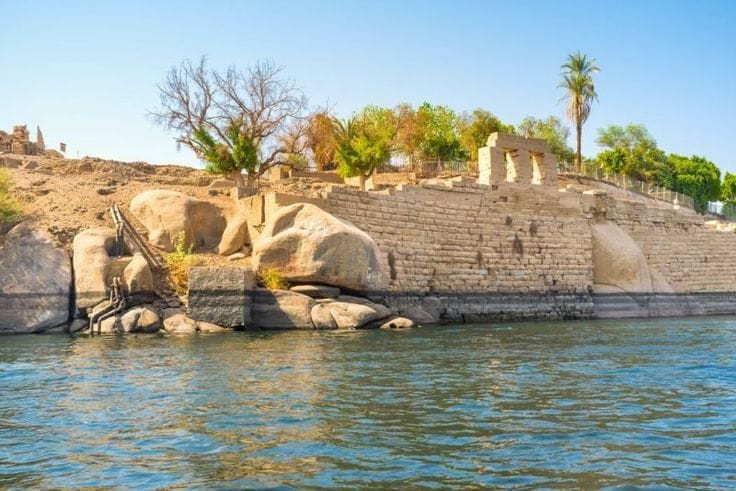
Most visits start with a motorboat ride from Aswan's Corniche or from your cruise ship. The journey south takes about 30 to 45 minutes, passing Elephantine Island, Kitchener's Island, the Aga Khan Mausoleum on the West Bank and the rocky islands of the First Cataract. Herons, egrets and kingfishers are common, and you may stop at a sandy beach below the dunes.
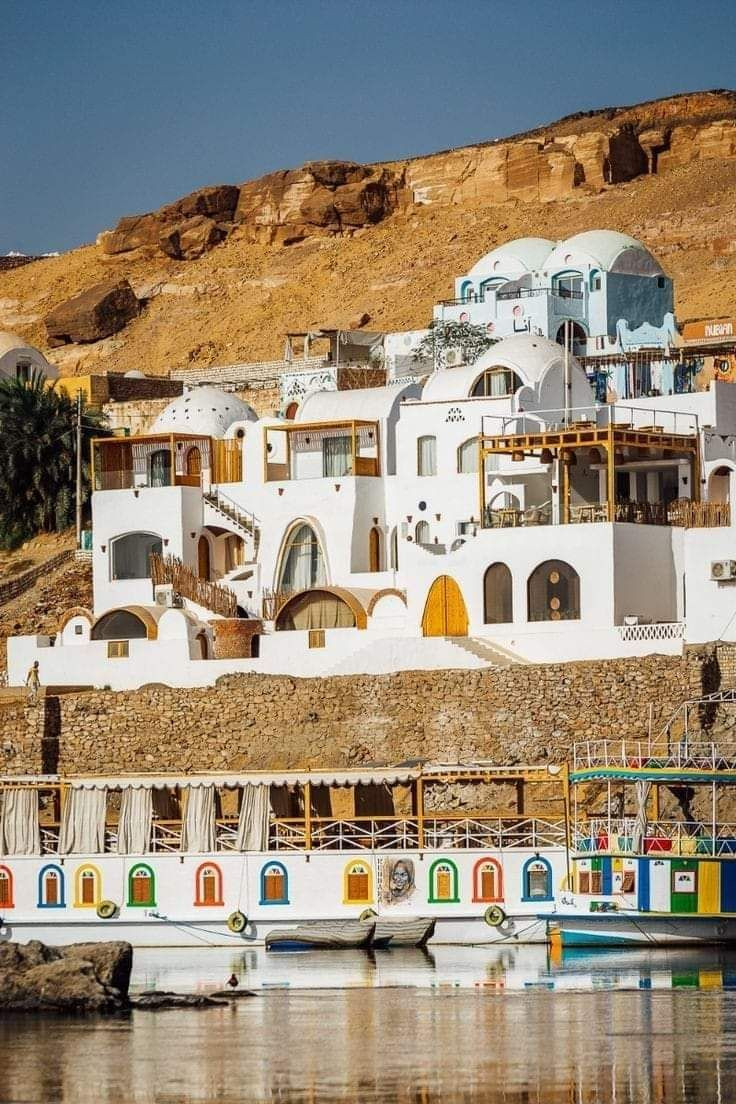
Arriving at the village, you will see houses climbing up from the riverbank, painted in blues, yellows, pinks and greens.
What to Expect in a Nubian Village
Nubian houses Aswan style
Nubian houses Aswan visitors love are built from mud brick with domed or vaulted roofs that keep interiors cool. Walls are painted in bright colors and decorated with geometric patterns, animals, palm trees and symbols for luck and protection. Many homes welcome visitors into a spacious courtyard.
Tea and hospitality
Hospitality is central to Nubian life. You will usually be invited to sit and enjoy tea, often karkadeh (hibiscus) or mint tea, and sometimes fresh bread, cheese and dates.
Pet crocodiles
Some households keep small Nile crocodiles in tanks as a symbol of good luck and protection, a tradition that surprises many visitors.
Henna, crafts and markets
Village markets sell spices, baskets, scarves, beaded jewelry and handmade souvenirs. Many women offer henna designs on hands or arms, a fun and temporary keepsake.
Nubian food
If your trip includes lunch or dinner, you might taste fatta, okra stews, grilled fish, lentil soup and flat breads baked in clay ovens.
| Experience | Duration | Notes |
|---|---|---|
| Boat ride from Aswan | 30–45 minutes each way | Scenic route through the First Cataract |
| Village walk | 45–60 minutes | Painted houses and local life |
| Tea in a Nubian home | 30 minutes | Hospitality and conversation |
| Market and henna | 20–40 minutes | Bargaining expected |
| Optional dinner | 1–1.5 hours | Traditional Nubian dishes |
Best Time to Visit
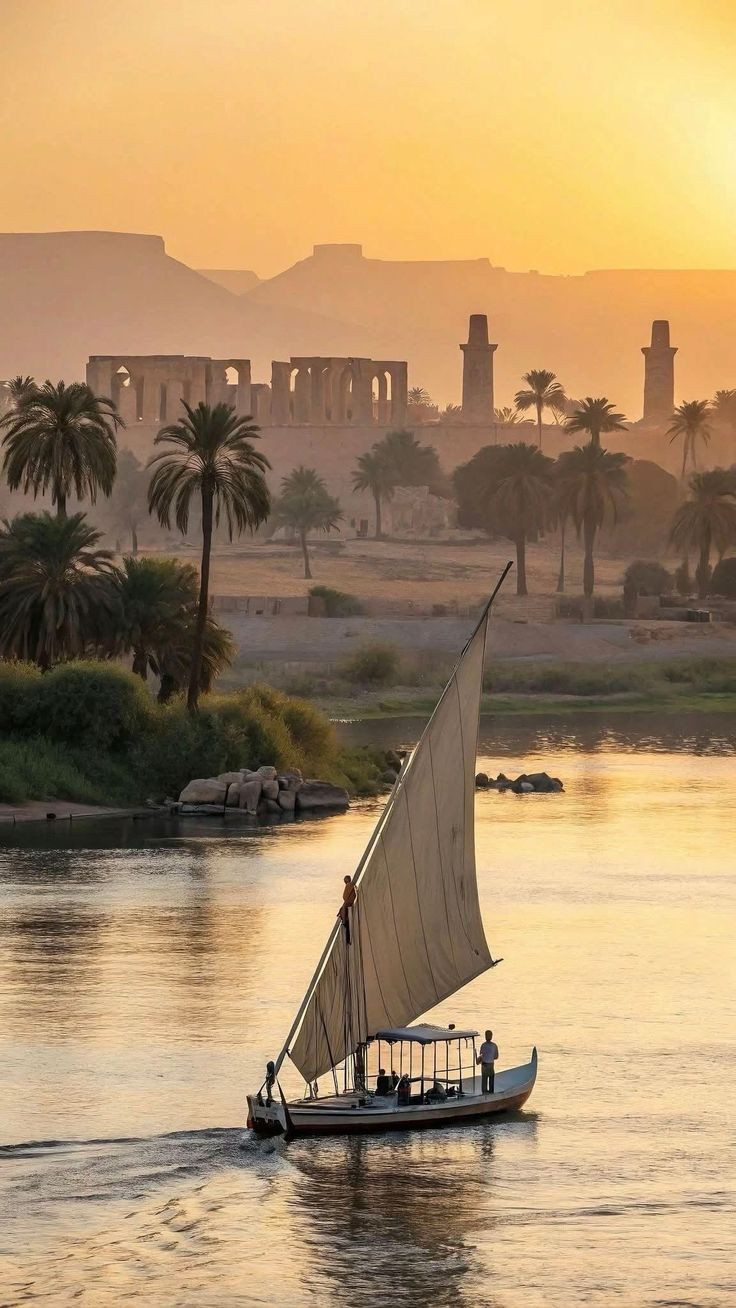
The afternoon is ideal. You avoid the strongest heat, enjoy golden light on the colorful walls and return to Aswan around sunset, which is spectacular from the water. On a Nile cruise, the visit is usually offered as an optional excursion on the Aswan day.
Visiting Respectfully
- Ask before photographing people, especially women and children.
- Dress modestly, covering shoulders and knees.
- Buy local crafts to support the community directly.
- Bargain kindly and with a smile.
- Avoid handing sweets or money to children; buying from families is better.
Combine Your Visit
Pair a Nubian village visit with a felucca ride, a stop at Elephantine Island or a sunset view from the West Bank dunes. Some trips also include the Nubian Museum in Aswan, which offers excellent background on Nubian history.
The Nubian Museum: Context Before You Go
If you have a free hour in Aswan, visit the Nubian Museum before or after your village trip. Its galleries trace Nubian history from prehistoric times through the pharaonic, Christian and Islamic periods, and explain the international campaign that rescued Abu Simbel and Philae. A life-size reconstruction of a traditional Nubian house helps you understand the architecture you will see in the villages, while displays of jewelry, baskets and musical instruments show how traditions continue today.
Experience Nubian Culture with Us
A Nubian village visit can be added to any of our Aswan itineraries. Learn about Elephantine Island, browse our Nile cruises or contact us to plan your visit.