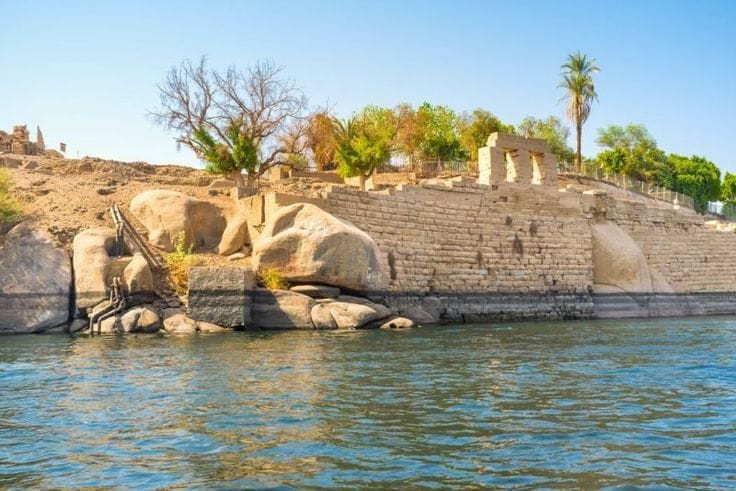
Quick Answer Elephantine Island is the largest island in the Nile at Aswan and one of Egypt's oldest inhabited sites. It is home to the ancient town of Abu, the ruins of the Temples of Khnum and Satet, a famous Nilometer, the Aswan Museum and two living Nubian villages. It is reached by a short public ferry or a felucca, and a visit takes about two to three hours. |
Many travelers sail past Elephantine Island on a felucca without stepping ashore. That is a pity, because this quiet island holds more than 5,000 years of history alongside colorful Nubian neighborhoods. This guide covers the island's history, its Elephantine Island temple ruins, the Nilometer Aswan is known for, and practical tips.
Last updated: October 2026
Key Takeaways
- Elephantine Island lies in the Nile opposite central Aswan, about 1.5 km long.
- In ancient times it was the town of Abu, Egypt's southern frontier and trading post.
- Its archaeological zone includes the Temples of Khnum and Satet and an ancient Nilometer.
- The Nubian villages of Siou and Koti are still inhabited today.
- The island is easy to reach by local ferry from the Corniche.
A Short History of Elephantine Island
The ancient Egyptians called the island Abu, meaning both "elephant" and "ivory". It may have been named after the smooth grey rocks along its shore, which look like bathing elephants, or after the island's role in the ivory trade with Africa. The Greeks translated the name as Elephantine.
Abu sat at Egypt's southern border, just north of the First Cataract, where granite rocks made the Nile difficult to navigate. This made it a strategic fortress, a customs post and a gateway for trade in gold, ivory, ebony and exotic animals from Nubia and beyond.
The island was also deeply religious. Egyptians believed the Nile's flood rose from caverns beneath the cataract, guarded by Khnum, the ram-headed creator god. His consort Satet and their daughter Anuket completed the triad of the region.
In the 5th century BC, Elephantine hosted a garrison that included a Jewish community. Papyri found here, known as the Elephantine Papyri, are an important source for the history of that period.
What to See on Elephantine Island
The archaeological site of Abu
The southern part of the island holds the ruins of the ancient town, excavated over decades by German and Swiss archaeologists. Paths and signboards guide you through more than 4,000 years of settlement layers.
Temple of Khnum
Only the foundations and some reconstructed elements survive of this temple, rebuilt many times through history. Its scale shows how important Khnum was to the region.
Temple of Satet
This temple has been partially reconstructed from its blocks and shows how sanctuaries were built and rebuilt on the same spot from the Old Kingdom onward.
The Nilometer
The Nilometer Aswan visitors see on Elephantine is a stairway descending to the river, with measurement marks on its walls. It recorded the height of the flood, which helped predict harvests and set taxes. Inscriptions date from different periods, including the Roman era, and it was still in use in the 19th century.
Aswan Museum
The small Aswan Museum, housed in a historic villa, displays objects found on the island, including statues, pottery and a mummified ram associated with Khnum. An annex holds further finds from the excavations.
Nubian villages
North of the archaeological site, the villages of Siou and Koti are a world away from the busy Corniche. Narrow lanes lead between painted houses, palm gardens and small guesthouses. Walking here is a peaceful way to see daily Nubian life.
| Site | What It Is | Time Needed |
|---|---|---|
| Archaeological site of Abu | Ancient town ruins | 45–60 minutes |
| Temples of Khnum and Satet | Temple remains | Included with site |
| Nilometer | Flood-measuring stairway | 10–15 minutes |
| Aswan Museum | Small museum of finds | 20–30 minutes |
| Nubian villages | Living community | 30–60 minutes |
How to Get to Elephantine Island
- Public ferry: small ferries cross from the Aswan Corniche to the island throughout the day for a very small fare.
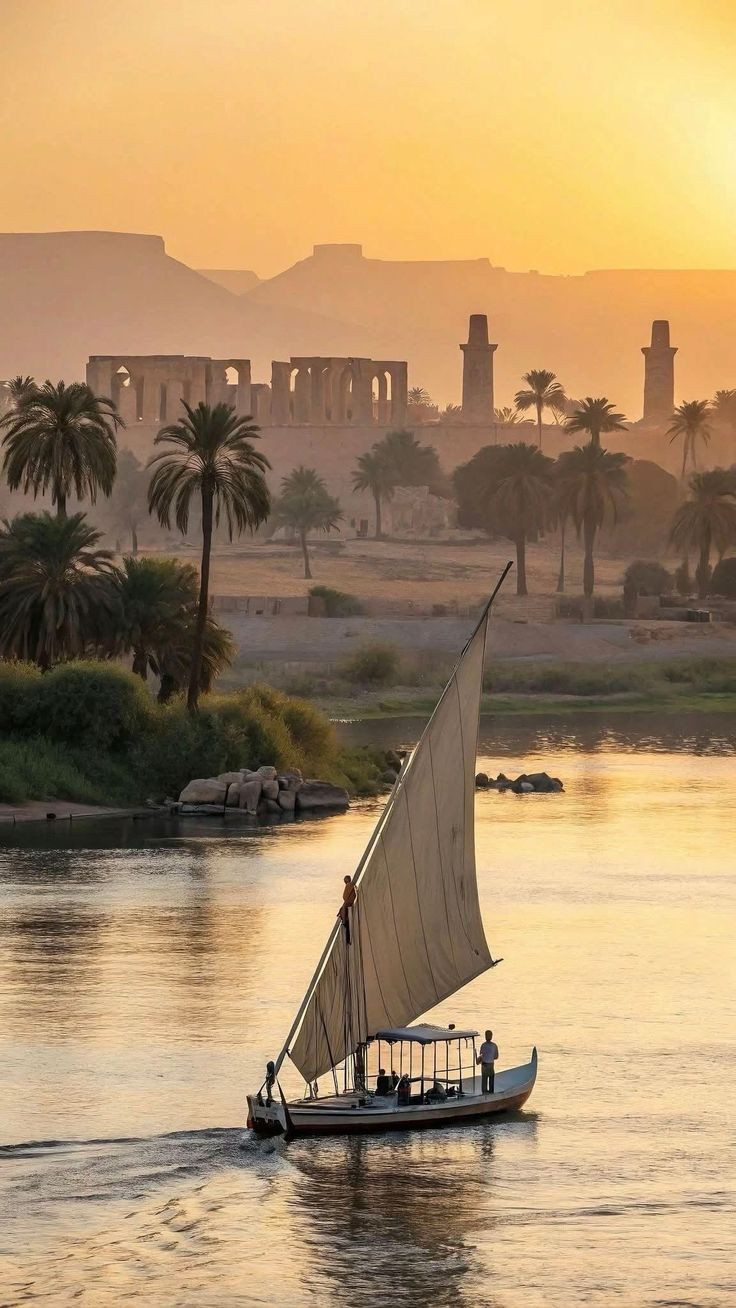
- Felucca: many travelers combine a felucca ride with a stop on the island.
- Hotel boat: guests at the island's large resort hotel can use its private shuttle.
Best Time to Visit
Visit in the morning or late afternoon to avoid the midday heat. Late afternoon is especially lovely, as you can finish with a sunset felucca ride around the island.
Tips for Your Visit
- Wear comfortable shoes; the archaeological paths are uneven.
- Bring water and sun protection.
- Dress modestly when walking through the Nubian villages.
- Ask before photographing residents.
- Check opening times for the archaeological site and museum locally.
Elephantine and the Ancient Frontier
Because Elephantine marked Egypt's southern border, expeditions to Nubia set out from here, and local governors held powerful positions. Their rock-cut tombs, the Tombs of the Nobles, can be seen in the cliffs of the West Bank opposite the island. Inscriptions there describe journeys deep into Africa, including the famous account of Harkhuf, who brought back a dancing pygmy for the young king Pepi II. Seeing the island and the tombs together helps you picture Aswan as a busy ancient frontier town.
Explore Aswan Beyond the Classics
Add Elephantine Island to your Aswan stay with a private guide or a felucca sail. Read about the Nubian village, discover Aswan city or contact us.