Quick Answer Ancient Egyptians worshipped hundreds of gods, but a handful dominate the temples you visit on a Nile cruise: Amun-Ra, king of the gods; Osiris, lord of the afterlife; Isis, the great mother goddess; Horus, the falcon god of kingship; Hathor, goddess of love and music; Anubis, guardian of the dead; Sobek, the crocodile god; and Khnum, the ram-headed creator. Each is recognizable by a distinctive head, crown or symbol. |
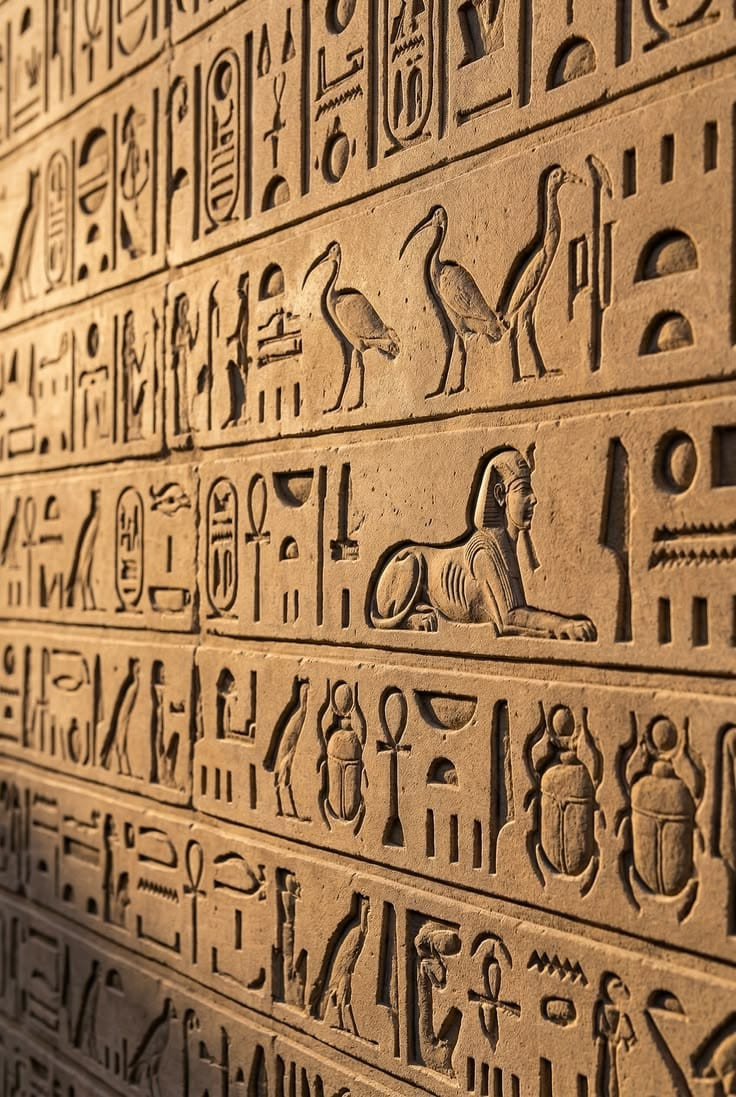
Temple walls in Luxor and Aswan are crowded with figures holding strange objects and wearing animal heads. Once you can recognize the main gods, these scenes start to make sense, and your visit becomes far more rewarding. This Egyptian mythology guide introduces the key gods, how to identify them and where to see them.
Last updated: October 2026
Key Takeaways
- The Egyptian pantheon explained simply: gods represented forces of nature, cosmic order and human life.
- Many gods have animal heads that symbolize their qualities.
- Gods were often grouped in families of three, called triads.
- The myth of Isis, Osiris and Horus is the most important story in Egyptian religion.
- Each major temple on the Nile honors specific gods.
How Ancient Egyptians Saw Their Gods
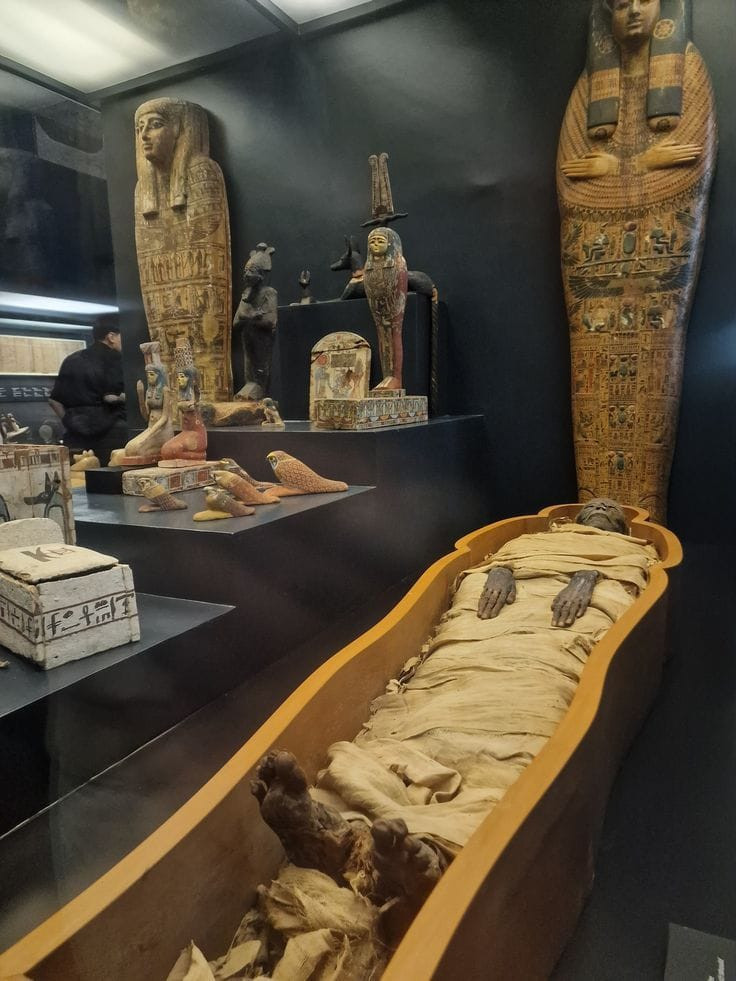
For ancient Egyptians, gods were present everywhere: in the sun, the Nile flood, the sky, animals and the pharaoh himself. Temples were considered the homes of the gods, where priests cared for their statues every day. The pharaoh acted as the link between gods and people, responsible for maintaining maat, the cosmic order of truth, balance and justice.
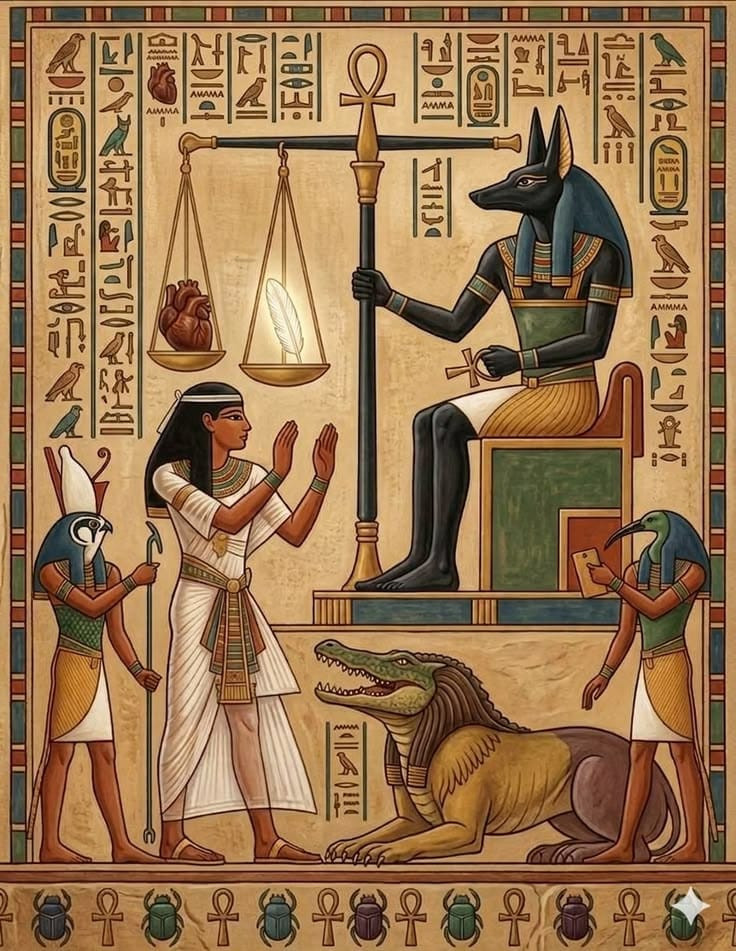
Gods were shown with human bodies and often animal heads, not because Egyptians thought they looked like that, but because animals expressed their powers: the falcon's sharp sight, the jackal's link with cemeteries, the crocodile's strength.
The Major Ancient Egyptian Gods
| God | How to Recognize | Role | Where to See |
|---|---|---|---|
| Amun-Ra | Man with tall double-plumed crown | King of the gods, hidden power and sun | Karnak, Luxor Temple |
| Ra | Falcon head with sun disk | Sun god, creator | Tombs in the Valley of the Kings |
| Osiris | Mummified king, green or black skin, crook and flail | God of the afterlife and rebirth | Philae, tombs, Abydos |
| Isis | Woman with throne-shaped crown or horns and sun disk | Mother goddess, magic, protection | Philae Temple |
| Horus | Falcon or falcon-headed man with double crown | Kingship, sky, protection | Edfu, Kom Ombo |
| Seth | Strange animal head with square ears | Chaos, storms, desert | Edfu reliefs |
| Hathor | Woman with cow horns and sun disk, or cow ears | Love, music, joy, motherhood | Dendera, Philae, Hatshepsut temple |
| Anubis | Jackal-headed man | Embalming, guardian of tombs | Valley of the Kings, Hatshepsut temple |
| Thoth | Ibis-headed man or baboon | Wisdom, writing, the moon | Many temples |
| Sobek | Crocodile-headed man | Nile, fertility, strength | Kom Ombo |
| Khnum | Ram-headed man | Creator, source of the Nile flood | Elephantine, Esna |
| Mut | Woman with vulture headdress or double crown | Mother goddess, wife of Amun | Karnak |
| Khonsu | Youth with side-lock and moon disk | Moon god, son of Amun and Mut | Karnak |
| Ptah | Mummified man with skullcap | Creator, craftsmen | Memphis, Karnak |
| Maat | Woman with an ostrich feather | Truth, balance, justice | Tombs, temple reliefs |
The Myth of Isis, Osiris and Horus
Osiris was a wise king who brought civilization to Egypt. His jealous brother Seth killed him and scattered his body. Isis, Osiris's wife and sister, searched the land, gathered the pieces and, with the help of Anubis, wrapped him as the first mummy. Using her magic, she brought him back to life long enough to conceive a son, Horus.
Isis hid the baby Horus in the marshes of the Delta. When he grew up, Horus fought Seth to reclaim the throne. In the battle, Horus lost an eye, later healed by Thoth; this became the protective Eye of Horus. Horus finally won and became king of Egypt, while Osiris ruled the underworld.
This story explained kingship (every living pharaoh was Horus, every dead pharaoh became Osiris), the afterlife and the triumph of order over chaos.
Theban Triads and Temple Families
Gods were often worshipped in triads:
- Thebes (Luxor): Amun, Mut and Khonsu at Karnak and Luxor Temple.
- Elephantine (Aswan): Khnum, Satet and Anuket.
- Kom Ombo: Sobek with Hathor and Khonsu, and Haroeris with Tasenetnofret and Panebtawy.
- Edfu: Horus, Hathor and their son Harsomtus.
Where to See the Gods on a Nile Cruise
- Karnak and Luxor Temple: Amun-Ra, Mut and Khonsu.
- Valley of the Kings: Ra, Osiris, Anubis and Maat in tomb paintings.
- Temple of Hatshepsut: Hathor and Anubis chapels.
- Esna: Khnum, with newly restored colorful ceilings.
- Edfu: Horus and the battle with Seth.
- Kom Ombo: Sobek and Horus the Elder.
- Philae: Isis, Osiris and Hathor.
Tips for Spotting Gods in Temples
- Look at the crown or headdress first; it is often the quickest clue.
- Check the head: falcon for Horus, jackal for Anubis, ram for Khnum, crocodile for Sobek.
- Notice what they hold: the ankh for life, the scepter for power.
- Read the scene: the pharaoh usually stands before a god, offering gifts.
See the Gods Come Alive
Our Egyptologists decode every relief you meet. Explore Philae, the temple of Isis, read about ancient Egyptian symbology or contact us.