Quick Answer Swimming in the Nile River is generally not recommended for travelers. The main risks are waterborne parasites such as bilharzia (schistosomiasis), strong and unpredictable currents, heavy boat traffic and uncertain water quality near towns. Crocodiles do not live between Luxor and Aswan, but the safer choice is the pool on your cruise ship. |
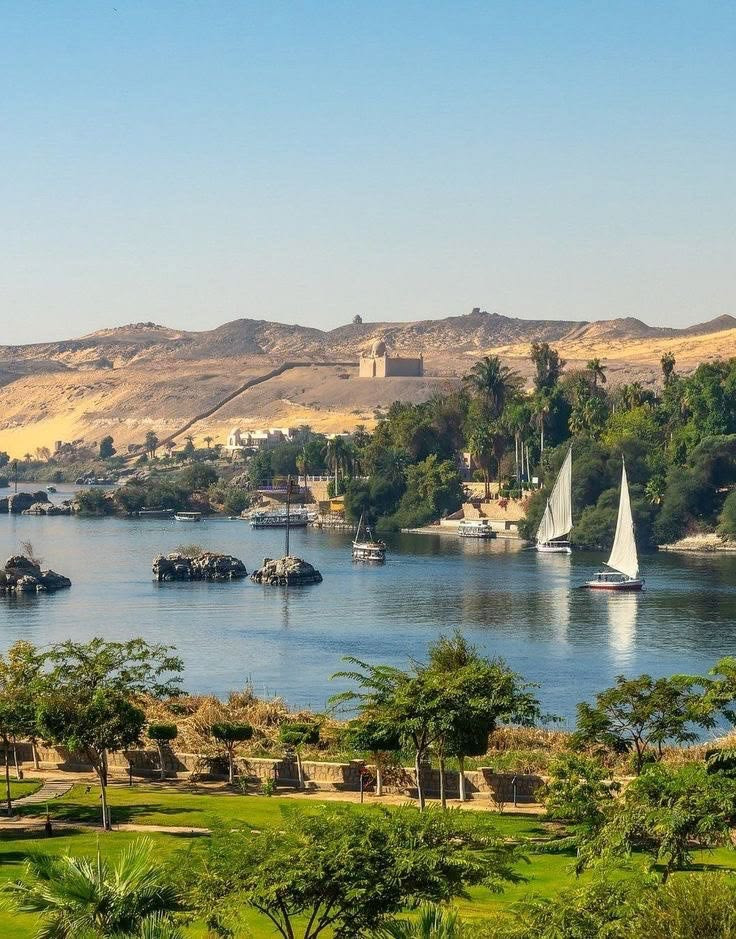
The Nile looks inviting on a hot afternoon, especially around Aswan's granite islands where the water is clear and blue. It is natural to wonder whether you can take a dip. This guide explains the real Nile River swimming risks, separates myth from fact, and tells you how to enjoy the river safely during your cruise.
Last updated: October 2026. This article is general travel information, not medical advice.
Key Takeaways
- Health authorities advise travelers to avoid swimming or wading in fresh water in areas where schistosomiasis is present, which includes parts of Egypt.
- Currents in the Nile can be stronger than they appear, particularly around islands and rocks near Aswan.
- Large cruise ships, ferries and motorboats make the river busy and dangerous for swimmers.
- Crocodiles live in Lake Nasser, south of the Aswan High Dam, not in the stretch sailed by Nile cruises.
- Every 5-star Nile cruise ship has a pool, which is the safest way to cool off.
The Main Nile River Swimming Risks
1. Bilharzia (schistosomiasis)
The most important health risk is bilharzia, a disease caused by tiny parasitic worms. Their larvae live in fresh water where certain snails are present and can enter through unbroken skin. Infection may not cause symptoms immediately, but it can lead to serious health problems if untreated.
Egypt has made major progress in controlling schistosomiasis over recent decades, and the risk is much lower than it once was. However, it has not disappeared, and international travel health guidance still advises avoiding freshwater contact in risk areas. Shallow water near vegetation and riverbanks is generally considered the highest-risk zone.
2. Nile River currents
The Nile is a large, powerful river. Even where the surface looks calm, currents can pull swimmers downstream, particularly around islands, rocks and narrow channels near Aswan. Water released from the Aswan High Dam can also change flow conditions. Many experienced swimmers underestimate this risk.
3. Boat traffic
The stretch between Luxor and Aswan is one of the busiest river routes in Egypt. Cruise ships, motorboats, ferries and feluccas move constantly, and their crews may not see a swimmer in the water. Propellers and wakes add to the danger.
4. Water quality
Near towns and villages, the water may contain agricultural runoff and waste. Swallowing river water can cause stomach upsets, which is the last thing you want during a busy sightseeing trip.
Nile River Wildlife: Myths and Facts
| Myth or Question | Fact |
|---|---|
| Are there crocodiles in the Nile at Luxor and Aswan? | No. Since the Aswan High Dam was built, crocodiles live mainly in Lake Nasser to the south. |
| Are there hippos in the Egyptian Nile? | No. Hippos disappeared from Egypt's Nile centuries ago. |
| Are there dangerous fish? | No significant danger from fish in the cruise stretch. |
| Are snakes common in the water? | Encounters are very rare for river visitors. |
| Is the Nile completely safe because there are no crocodiles? | No. Parasites, currents and boats remain real risks. |
You can learn more about the crocodile's place in Egyptian culture at the Crocodile Museum beside Kom Ombo Temple, where mummified crocodiles dedicated to the god Sobek are on display.
What About Swimming Spots Near Aswan?
Around Aswan, some tours stop at sandy islands or near Nubian villages where locals swim, and you may see travelers doing the same. Local people often grow up with the river and know its conditions. As visitors, we cannot judge currents or water conditions reliably, so our team does not recommend swimming, even at popular spots.
If you do choose to enter the water, avoid shallow areas near reeds and vegetation, do not swallow water, never swim near moving boats, and dry off quickly afterward. Speak to a travel health professional before your trip for personal advice.
What If You Have Already Been in the Water?
Do not panic. Many people who come into contact with river water never become ill. If you swam or waded in the Nile, mention it to a doctor after your trip, especially if you develop a rash, fever, cough, stomach pain or blood in your urine in the following weeks. Simple tests can detect bilharzia, and the infection is treatable with medication. Tell your doctor exactly where and when you were exposed, as this helps them choose the right test.
Safe Ways to Enjoy the Nile
You do not need to swim to feel close to the river. These are some of the best ways to enjoy it:
- Relax by the ship's pool on the sundeck while the scenery drifts past.
- Take a felucca ride in Aswan for a quiet sail at water level.
- Visit a Nubian village by motorboat and enjoy the river's clearest stretch.
- Watch sunset from the sundeck as the ship sails between Edfu and Kom Ombo.
- Take a hot air balloon flight over Luxor for a bird's-eye view of the river.
Our Deluxe Nile cruises feature large sundecks and pools, ideal for cooling off in the warmer months.
Enjoy the River the Safe Way
The Nile is best enjoyed from the deck of a comfortable ship, with a guide who knows its stories. Browse our Nile cruises, check our FAQs or contact us to plan your trip.