Quick Answer The Valley of the Queens is a royal burial ground on Luxor's West Bank where queens, princesses and young princes of the New Kingdom were buried. It contains more than 90 tombs, the most famous being the Tomb of Nefertari (QV66), wife of Ramses II, often called the most beautiful tomb in Egypt. Nefertari's tomb requires a separate, premium ticket and visits are time-limited. |
Most visitors to Luxor head straight for the Valley of the Kings. Just a few kilometers south, the Valley of the Queens is quieter, smaller and home to some of the finest painted tombs in Egypt. This guide covers its history, the Tomb of Nefertari, Valley of the Queens tickets and how it fits with other Luxor West Bank tombs.
Last updated: October 2026
Key Takeaways
- The ancient name was Ta-Set-Neferu, often translated as "the place of beauty" or "place of the royal children".
- Most tombs date from the 19th and 20th Dynasties, around 1290 to 1070 BC.
- The Tomb of Nefertari was discovered in 1904 by Italian archaeologist Ernesto Schiaparelli.
- A standard ticket includes a selection of open tombs; Nefertari's tomb requires an extra ticket.
- The site is usually less crowded than the Valley of the Kings.
History of the Valley of the Queens
During the New Kingdom, pharaohs were buried in the Valley of the Kings, while many royal wives and children were buried here. Early tombs belonged to princesses and nobles, but under Ramses I and the Ramesside kings, the valley became the main cemetery for great royal wives and young princes.
Tombs are numbered with the prefix QV (Queens' Valley). Many were damaged by floods, ancient robbery and later reuse, but a handful preserve brilliant painted scenes.
The Tomb of Nefertari (QV66)
Nefertari was the favorite wife of Ramses II, who dedicated the smaller temple at Abu Simbel to her. Her tomb is a masterpiece of Egyptian art. Its walls and ceilings are painted with vivid scenes of the queen guided by gods through the afterlife, offering to Osiris and Hathor, and playing a board game called senet. The ceilings are covered with golden stars on a deep blue background.
The tomb underwent a long conservation project in the late 1980s and 1990s led by the Getty Conservation Institute and the Egyptian authorities. To protect the fragile paintings, visitor numbers and time inside are strictly limited, usually to around 10 minutes.
Other Tombs Worth Seeing
| Tomb | Owner | Highlights |
|---|---|---|
| QV66 | Queen Nefertari | Most beautiful painted tomb in Egypt; extra ticket |
| QV44 | Prince Khaemwaset | Bright scenes of Ramses III presenting his son to gods |
| QV55 | Prince Amenherkhepshef | Vivid colors; scenes of the prince with his father Ramses III |
| QV52 | Queen Tyti | Elegant scenes of the queen with deities |
Open tombs rotate for conservation, so the selection may vary when you visit.
Valley of the Queens vs Valley of the Kings
| Feature | Valley of the Queens | Valley of the Kings |
|---|---|---|
| Who was buried | Queens, princes, princesses | Pharaohs and nobles |
| Number of tombs | 90+ | 60+ |
| Most famous tomb | Nefertari (QV66) | Tutankhamun (KV62) |
| Crowds | Usually quieter | Busier |
| Tomb size | Generally smaller | Often long and deep |
| Visit time | 45–90 minutes | 1.5–2.5 hours |
Both sites are rewarding. If you love art and color, the Valley of the Queens, especially Nefertari's tomb, may be the highlight of your trip.
Valley of the Queens Tickets
A general ticket gives access to the site and the tombs open that day. The Tomb of Nefertari requires a separate ticket that is significantly more expensive than standard entry, reflecting conservation costs. Prices change regularly, so check current rates through your guide or the official ticketing channels. Tickets for Nefertari may also be limited in number each day, so buy early in peak season.
Photography rules can change; personal phone photography without flash is generally allowed in many tombs, while some special tombs have restrictions.
How to Visit
Location and access
The Valley of the Queens lies at the southern end of the Theban necropolis on Luxor's West Bank, a short drive from the Colossi of Memnon and Medinet Habu.
Best time to visit
Arrive at opening time for cooler temperatures and quieter tombs. The site is exposed to the sun with little shade.
Combine with other sites
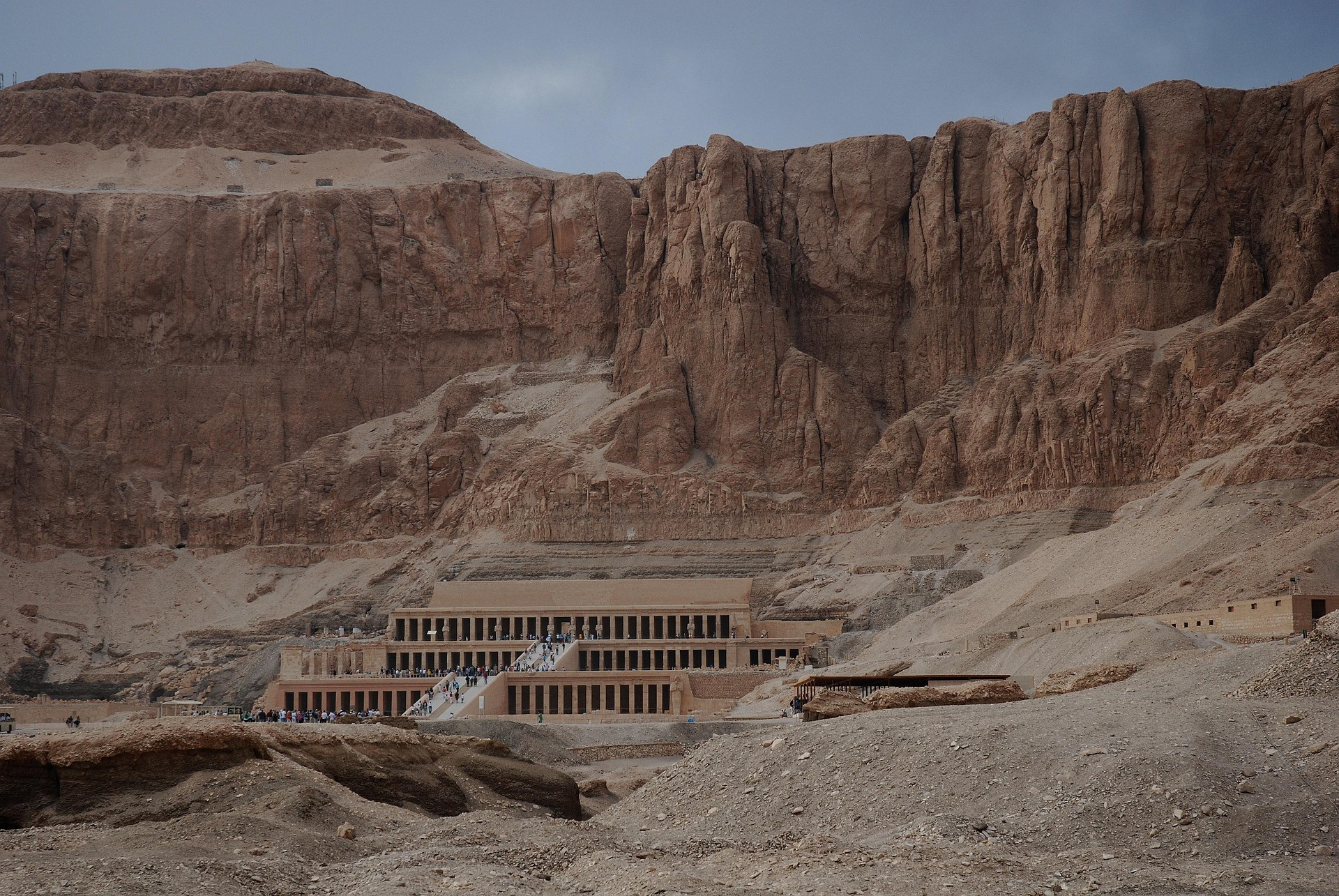
A full West Bank day can include the Valley of the Kings, the Temple of Hatshepsut, the Valley of the Queens, Medinet Habu and the Colossi of Memnon. On most standard Nile cruises, the West Bank tour includes the Valley of the Kings and Hatshepsut's temple, while the Valley of the Queens can be added as an optional visit.
Practical Tips
- Bring water, a hat and sunscreen.
- Wear comfortable shoes; tomb corridors slope downward.
- Avoid touching walls or using flash.
- Plan Nefertari's tomb first, as time inside is strictly limited.
Explore the West Bank in Depth
Ask us to add the Valley of the Queens to your Luxor day. Discover the Temple of Hatshepsut, view our 5-Day Luxor to Aswan cruise or contact us.